Culture & Flavors

The heart of Morocco is tasted in its food and felt in its traditions.

A Feast for the Soul

Moroccan culture is a rich tapestry woven from Amazigh (Berber), Arab, and European influences. It is a culture that revolves around hospitality, family, and respect for tradition.

Food is the ultimate expression of this hospitality. From the complex spices of a slow-cooked tagine to the sweetness of mint tea poured from high above, every meal is a celebration. Beyond the table, traditions like the Hammam (steam bath) offer a window into the daily rhythm of Moroccan life.

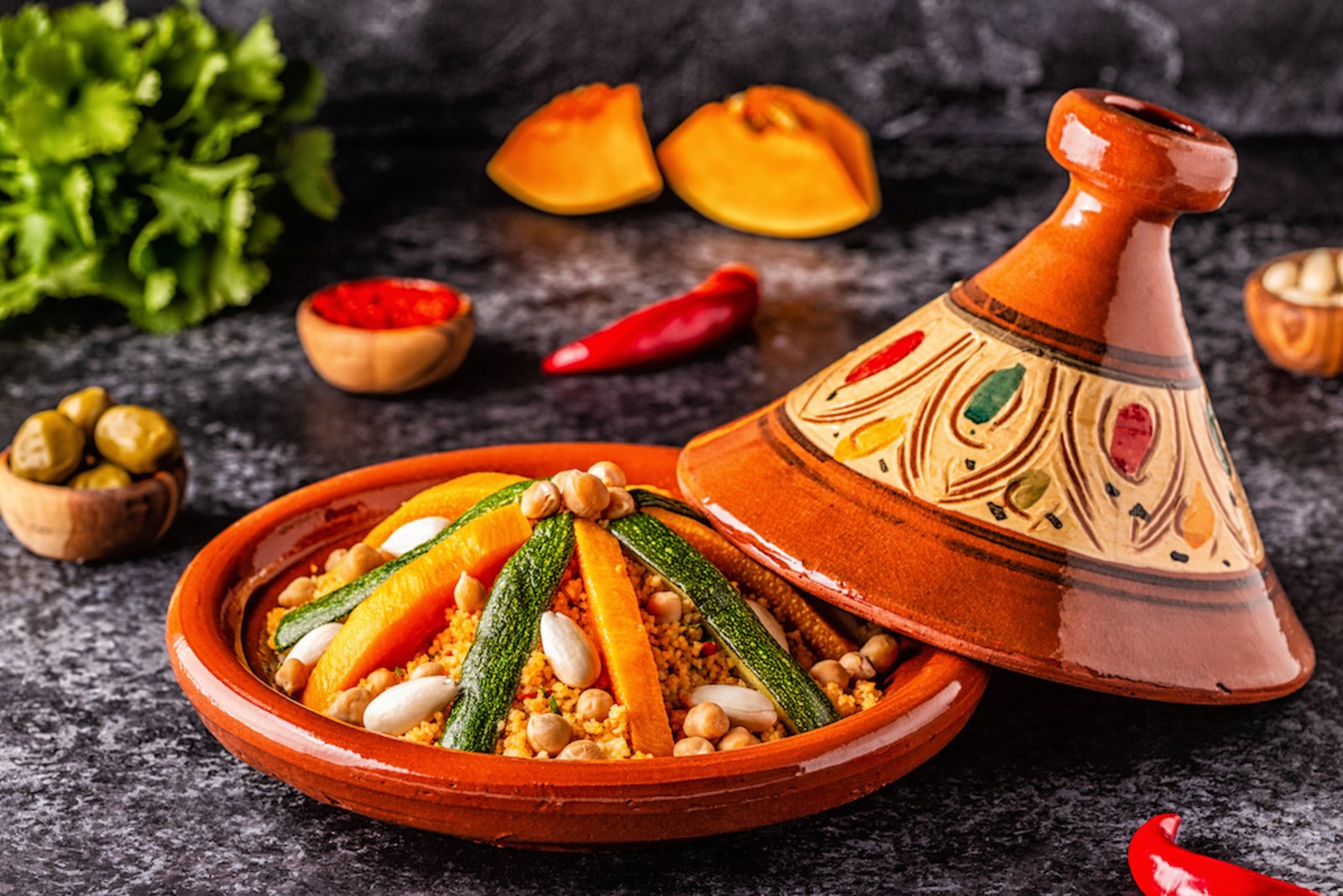
Moroccan Tagine

The Art of Tagine

Named after the clay pot it’s cooked in, Tagine is the national dish. Whether it’s lamb with prunes, chicken with preserved lemons, or a vegetable medley, the cone-shaped lid traps steam to create tender, flavorful masterpieces.
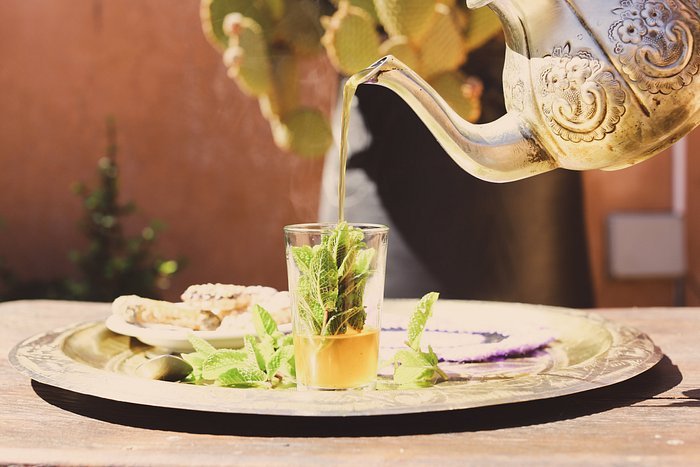
Moroccan Mint Tea

Mint Tea Ritual

Known as "Berber Whiskey," mint tea is served everywhere, all the time. It is a sign of welcome. The higher the pour, the better the foam—and it’s always impolite to refuse a glass.
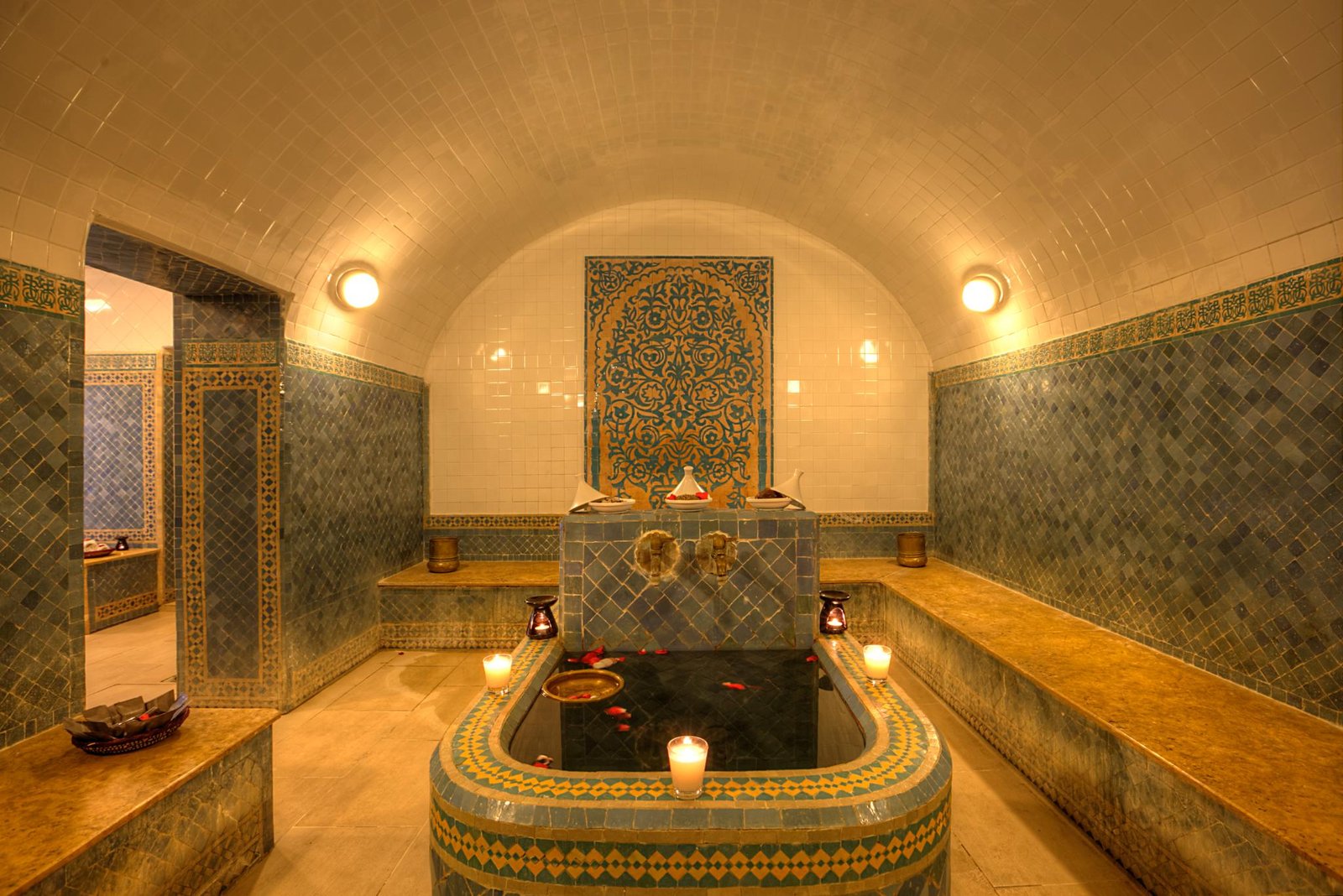
Traditional Hammam Spa

The Hammam

More than just a spa, the Hammam is a weekly ritual for cleansing the body and socializing. A scrub with black soap and a kessa glove leaves your skin feeling brand new.

Local Tips

Eat with Your Hand

It is traditional to eat tagine and couscous with your right hand, using bread to scoop up the food. It’s an intimate way to share a meal.

Tipping

Tipping is customary. A small tip (5-10%) in restaurants or for guides is appreciated and goes a long way.

Ramadan

If visiting during Ramadan, respect the fast by not eating or drinking in public during daylight hours. The evening Iftar meal is a joyous occasion to join.